Flint is a small but essential item in Minecraft: it is what you need for flint and steel, arrows, and a fletching table. You do not craft flint, you get it by mining gravel, and there is a knack to farming it quickly. This guide covers exactly how to get flint, how to boost your odds with Fortune, and what to use it for.
Everything here is confirmed in the current 2026 version of Minecraft (26.2).
Quick answer: mine gravel, and each block has a 10% chance to drop flint instead of a gravel block. A Fortune shovel raises that chance, up to a guaranteed drop with Fortune III.
Flint at a Glance
| Detail | Value |
|---|---|
| Source | Mining gravel |
| Base drop | 10% chance per gravel block |
| Fortune I / II / III | 14% / 25% / 100% |
| Main uses | Flint and steel, arrows, fletching table |
How to Get Flint
Flint cannot be crafted, it only comes from gravel:

- Find gravel. It generates in patches on beaches, riverbeds, underwater, in caves, and on some mountains.
- Mine it. You can break gravel with your bare hand, but a shovel is much faster. Each block you break has a 10% chance to drop flint instead of the gravel block itself.
Two important catches confirmed in testing:
- Do not use Silk Touch. A Silk Touch tool always gives you the gravel block, never flint.
- The block must fall on something solid. Gravel is a gravity block (like sand). If it lands on top of a torch, slab, or other non-full block, breaking it drops nothing, no gravel and no flint.
Boosting Your Odds with Fortune
The fastest way to farm flint is a Fortune-enchanted shovel. Fortune raises the flint drop rate:
- Fortune I: about 14%
- Fortune II: about 25%
- Fortune III: 100%, every gravel block drops flint
With Fortune III you turn gravel into flint one-for-one, which makes stockpiling arrows trivial.
The Stack-and-Mine Trick

Without Fortune, the classic method is to gather a stack of gravel, place it all down in a wall or column at your base, then break it again with a shovel. On average, you will get roughly 6 flint per 64 gravel at the base 10% rate. It is slow but reliable, and it beats digging risky underwater gravel one block at a time.
You can also trade for flint: novice-level fletcher villagers will buy gravel, and a common trade exchanges gravel plus an emerald for flint, which is handy if you have a villager hall set up.
What Flint Is For
Flint has a few key uses:
- Flint and steel: 1 flint + 1 iron ingot. This is the tool you use to light Nether portals, campfires, and TNT.
- Arrows: 1 flint + 1 stick + 1 feather makes 4 arrows for your bow or crossbow.
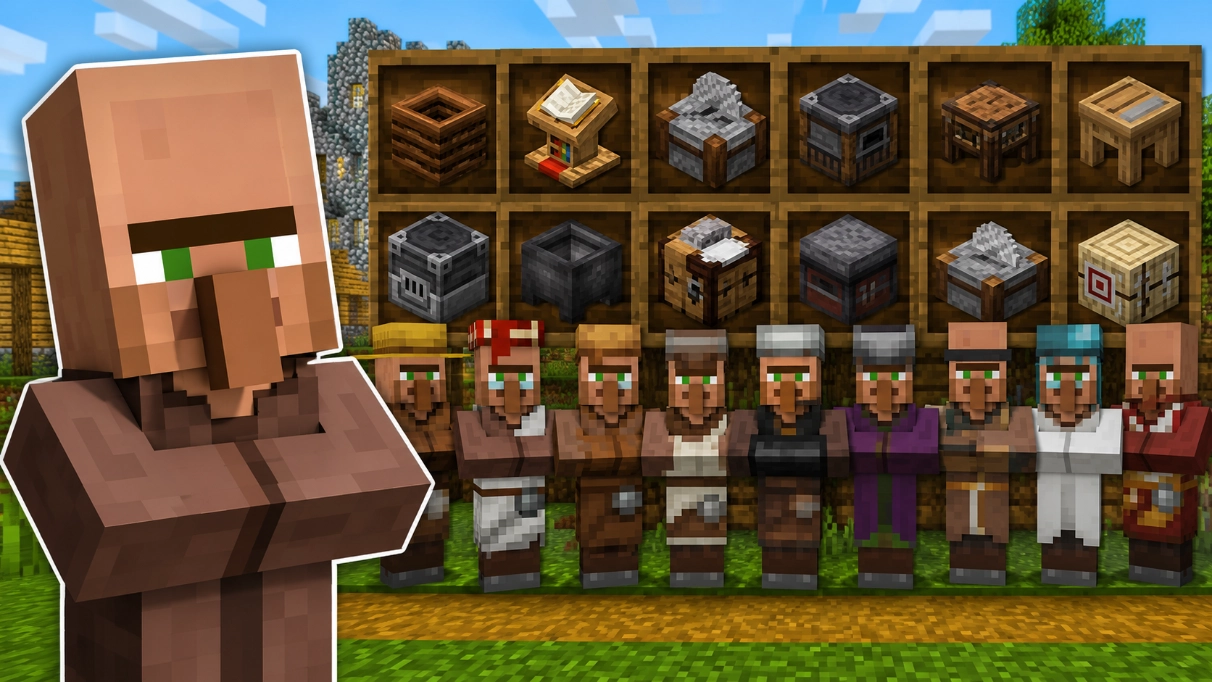
- Fletching table: 4 planks + 2 flint. This is the job-site block that turns a villager into a fletcher.
Frequently Asked Questions
You do not craft flint; you mine gravel. Each gravel block has a 10% chance to drop flint instead of gravel. Use a shovel to speed it up.
Two common reasons: you are using a Silk Touch tool (which always gives the gravel block), or the gravel fell onto a non-solid block like a torch or slab, which drops nothing when broken.
Enchant a shovel with Fortune. Fortune I is about 14%, Fortune II about 25%, and Fortune III gives a 100% flint drop from every gravel block.
Flint and steel (with an iron ingot), arrows (with a stick and feather), and a fletching table (with planks). It is the base ingredient for lighting fires and making arrows.
Yes. Novice fletcher villagers buy gravel, and a common trade gives flint for gravel plus an emerald, so a villager hall can supply flint without mining.
No. You can break gravel with your bare hand and still get flint, but a shovel is much faster. Just avoid Silk Touch, which prevents flint drops.
Flint is quick to gather once you know the trick: mine gravel with a plain shovel, or better yet a Fortune III one, and you will have all the flint you need for flint and steel, arrows, and fletching tables. Keep a stack of gravel around, and you will never run short.