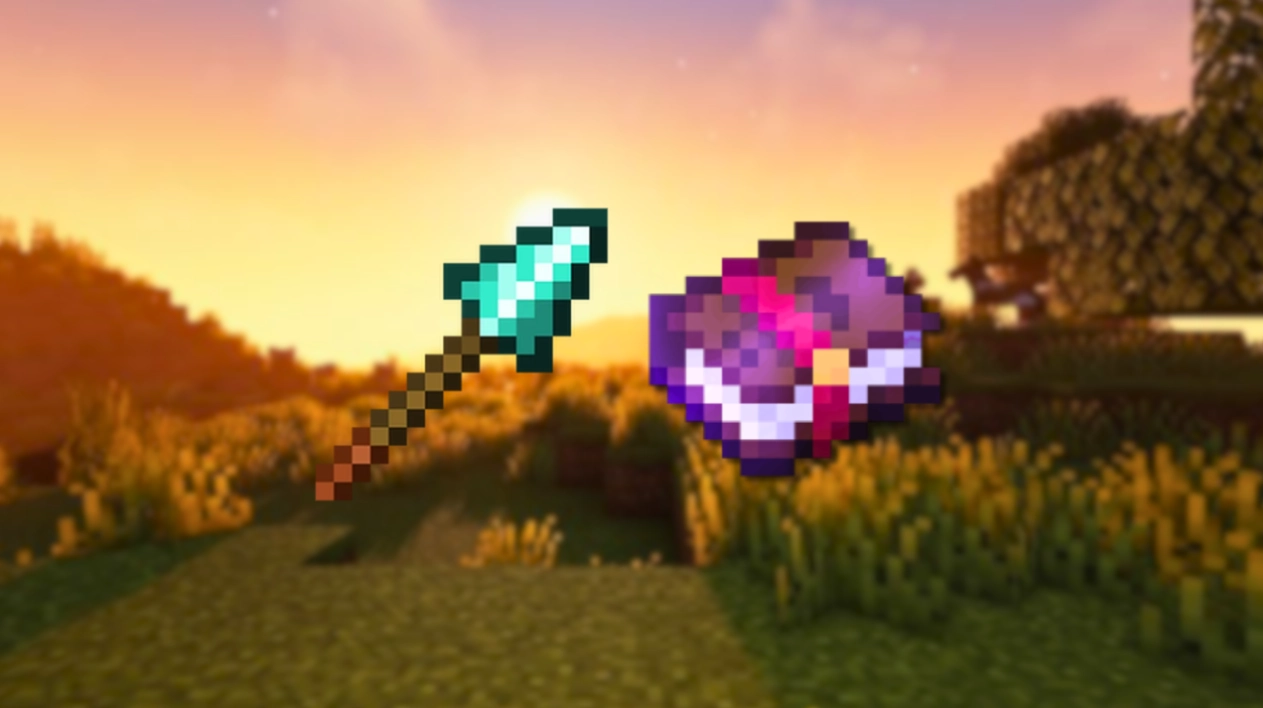
The Fletcher is the villager that trades sticks for emeralds at the novice-level, offering 32 sticks for 1 emerald in both Java and Bedrock editions. In Bedrock, this trade is guaranteed at novice, while in Java, it is one of several possible trades.
What villager trades sticks?
The only villager profession that buys sticks is the Fletcher, using the Fletching Table as its job site block. One of their early trades involves exchanging sticks for emeralds, making them one of the best villagers for emerald farming due to wood’s affordability and renewabilityne of their early trades involves exchanging sticks for emeralds, making them one of the best villagers for emerald farming due to wood’s affordability and renewability.
Quick facts for what villager trades sticks
- Villager type: Fletcher.
- Trade tier: Novice trade can be 32 sticks > 1 emerald.
- Editions: The trade exists in both Java and Bedrock. In Bedrock Edition, the stick trade is always present for novice Fletchers, while in Java Edition, it is one of several possible novice trades.
- Job site block: Fletching Table is required for a villager to become a Fletcher.
How the Fletchers’ stick trade works

According to the Minecraft wiki, at the novice level, a Fletcher’s “sell-to-villager” trade can include 32 sticks for 1 emerald. On Bedrock Edition, every Fletcher will always have this stick trade at novice, making it a reliable emerald source as soon as you set up the villager. In Java Edition, novice Fletchers roll their trades from a pool, and the stick trade has about a 67% chance to appear, so you may need to reroll until you get it.
As with any villager trade, the stick-for-emerald offer has a limited stock per workday and can temporarily become unavailable when exhausted. The Fletcher will restock during the day when it can access and “work” at its Fletching Table, which refreshes the stick trade so you can keep converting wood into emeralds.
How to get a Fletcher that trades sticks
To get a Fletcher with the “sticks for emeralds” trade, you must first create or find a Fletcher, then (in Java) make sure the villager rolls the stick trade.
Step 1: Turn a villager into a Fletcher

- Place a Fletching Table near an unemployed villager (one with no job) in a village.
- Make sure another villager does not already claim the table and that the villager can pathfind to it.
- When the villager claims the table, it will convert into a Fletcher and gain Fletcher trades.
If a villager already has a profession and has never been traded with, you can break its existing job-site block (for example, a Lectern for a Librarian) and then place a Fletching Table nearby so it switches profession to Fletcher. If you have traded with that villager before, its profession and trades are locked permanently, and it can no longer become a Fletcher.
Step 2: Force the stick trade (Java Edition)
On Java, because the novice Fletcher only gets two random novice trades from a pool, you may not see the stick trade on the first try. To force a Fletcher that buys sticks:
- Place a Fletching Table and let an unemployed villager become a Fletcher.
- Check its trades; if the novice tier does not include 32 sticks > 1 emerald, break the Fletching Table to make it unemployed again.
- Replace the Fletching Table to reroll the Fletcher’s novice trades.
- Repeat until you see the stick trade, then make at least one trade to lock those offers permanently.
On Bedrock, you do not need to reroll because every Fletcher always has the stick trade at novice.
Why the Fletcher stick trade is so good
Fletcher’s stick trading effectively lets you turn logs into emeralds, because each log can be crafted into multiple sticks very cheaply. One common rule of thumb is that 4 logs can be crafted into enough sticks to sell for 1 emerald via the 32-stick trade, which means wood farms translate directly into emerald farms. Since emeralds are the main currency for buying enchanted tools, armor, and other high-value items from villagers, this single trade can drive your entire trading hall economy.
Fletchers also buy other easy-to-farm items like string and feathers at higher levels, but the novice stick trade is usually the earliest and most scalable source of emeralds. Many players set up multiple Fletchers side by side so that even when one runs out of stock for the day, others are still able to buy sticks until they all have to restock.
Other Fletcher trades beyond sticks
While the Fletcher is best known for trading sticks for emeralds, the villager unlocks several additional trades as it levels up. From novice to master, Fletchers offer a variety of bow and arrow-related trades that can also generate emeralds or useful combat items.
| Fletcher Level | Sell to Villager (Emerald Source) | Buy from Villager | Notes |
|---|---|---|---|
| Novice | 32 sticks > 1 emerald | 1 emerald > 16 arrows | The main early-game emerald trade. |
| Apprentice | 26 flint > 1 emerald | 2 emeralds > bow | Flint from gravel makes this easy to farm. |
| Journeyman | 14 string > 1 emerald | 3 emeralds > crossbow | Works well with spider farms. |
| Expert | 24 feathers > 1 emerald | 7–21 emeralds > enchanted bow | Chicken farms make feathers renewable. |
| Master | 8 tripwire hooks > 1 emerald | 8–22 emeralds > enchanted crossbow, tipped arrows | Late-game Fletcher trades. |
Because sticks, string, and feathers all come from renewable, farmable sources, the Fletcher remains one of the strongest emerald-generation villagers throughout the game, not just early on.